
Park Rapids can look simple at first glance: a small county seat, a main street, a river, and a ring of lakes beyond town. But the town makes more sense when you look at three public systems that do not advertise themselves as attractions. Red Bridge Park is only one acre, yet it sits on Beach Road, links by the red bridge to Heartland Park, and serves as a trailhead for the Heartland Trail. Heartland Express says it provides curb-to-curb service in Park Rapids and to Bemidji. And the municipal airport has 44 T-hangars and a rentable meeting room, which tells you it is more than a place for takeoffs and landings.
The river crossing is a connector, not just a pretty stop
Red Bridge Park matters because it turns the Fish Hook River into a usable corridor. The city’s parks material shows that the park is not just decorative; it is the place where people reach the trail system and move between parkland and town. That is a big part of Park Rapids’ identity: downtown, the river, and the trail are not separate experiences. They overlap. Hubbard County’s recreation planning also notes that the Heartland Trail starts in Park Rapids and extends toward Cass Lake, which makes the city a real node in a regional route, not a dead-end stop.
That overlap helps explain why the city feels larger than its population suggests. A person can move from a park bench to a trail entrance to downtown without changing the basic rhythm of the day. In a county with lakes, forests, township roads, and small towns, that kind of connection is not a luxury. It is how ordinary movement works.
Mobility here is local, countywide, and regional
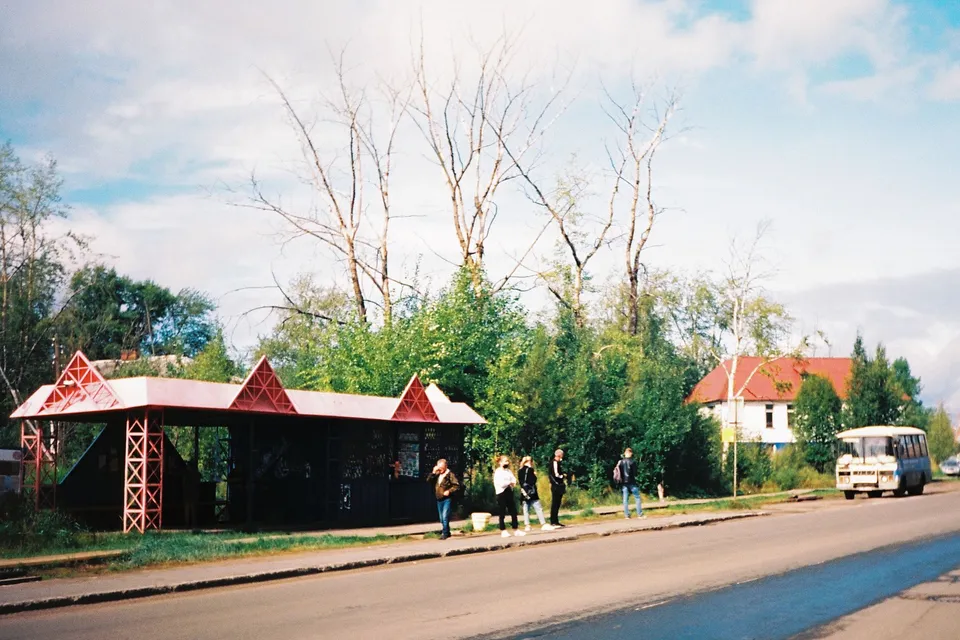
Heartland Express is useful because it makes the difference between having transportation and having transportation that fits real life. Its own description says it offers curb-to-curb bus service to Park Rapids and Bemidji, and service around the City of Park Rapids. That matters in a county where not every errand is a short walk and not every household has the same access to a car every day. The important distinction is that transit exists, but it still has to be checked against schedules, stop coverage, and the actual destination.
The same regional logic appears in the city’s support systems. Park Rapids routes residents to KRLS rather than presenting the library as a city department, which is a small but telling sign that everyday life here is shared across institutions. The city also links people to school information, planning, parks, airport, water, sewer, and rental documents. In other words, town life in Park Rapids is not one office. It is a network.
The airport says more than you think
Small airports often get treated as background infrastructure, but Park Rapids Municipal Airport shows how a modest facility can serve civic life. The airport page lists 44 T-hangars for rent and a second-floor terminal meeting room that can be rented for a full day or a half day. That combination matters because it suggests a facility that supports private aircraft owners, local gatherings, and practical community use. In a region with scattered settlements and long road connections, even a small airport can help define how connected a place feels.
The airport also fits the broader pattern of Park Rapids as a service center. The city maintains the basics people need to live here year-round: water, sewer, parks, police, fire, planning, and transportation infrastructure. Those systems may not draw visitors the way a lake view does, but they make the rest of the town usable.
Why the county seat still matters
Park Rapids is also the county seat of Hubbard County, and that is not just a historical label. The county was established in 1883, and the county seat was fixed at Park Rapids at the first meeting of the county commissioners. The National Register history notes that county offices moved from rented quarters to a county building and then to the courthouse built in 1900 on land donated by Cyrus Hollinger. That courthouse still stands as a visible reminder that Park Rapids grew into an administrative center, not merely a resort town.
That civic role helps explain why services here are layered. The city maintains core functions; the county maintains parks and recreation access; and the school district runs its own programs, including college-and-career readiness. Those pieces matter to residents because they shape daily choices about housing, schedules, and where to find help. They also matter to visitors because they explain why the town can handle both local life and seasonal traffic without turning into a place that exists only for tourists.
A town built from shared systems
If you want one quick way to understand Park Rapids, do not start with a postcard. Start with systems. A one-acre park that doubles as a trailhead, a county bus network, and an airport with hangars all point to the same thing: Park Rapids works because the town is linked. The Chamber’s downtown materials describe a place where shopping, food, festivals, and a historic main-street feel overlap, which is another way of saying the town’s public spaces still carry daily life.
For newcomers, that is the practical lesson. Park Rapids is not just a dot on the map between lakes. It is a county seat with a river corridor, a trail gateway, a local transit option, and a small airport that still serves community needs. For residents, the useful question is not whether these systems are flashy; it is how well they fit together. That is the real story here. If you want to see it for yourself, spend an hour at Red Bridge Park, then follow the trail or cross downtown and notice how many ordinary errands and outings begin to connect.