
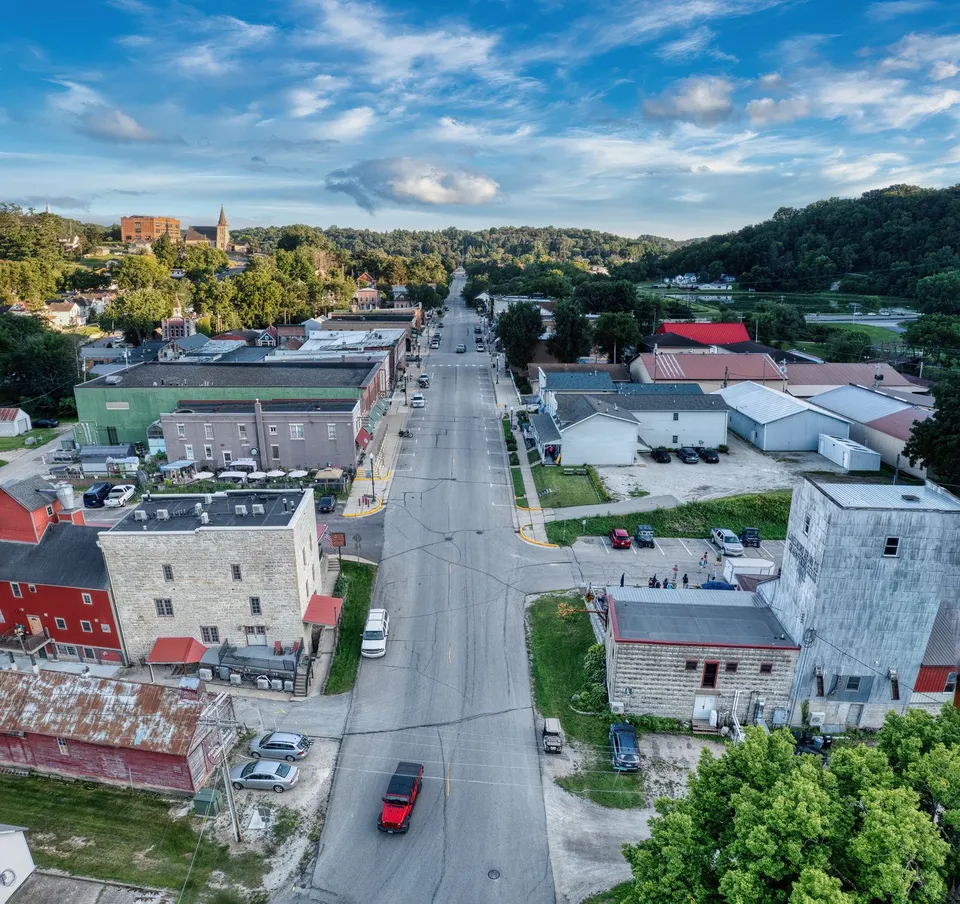
If you are trying to understand Park Rapids as a place to live, the first useful question is not “What houses are for sale?” It is “What kind of community has to keep a city utility system, a county transportation network, rental rules, and a high-share ownership market working at the same time?” In Park Rapids, that mix shapes almost every move-in decision. Hubbard County’s owner-occupied housing rate is 83.1% in the 2020–2024 period, which tells you that homeownership is the norm and that rentals are only one part of the local housing picture. At the same time, the city keeps a formal rental-license and inspection process, plus separate short-term rental paperwork, which means housing is regulated as a local system rather than treated as an open, frictionless market.
Why the housing market feels different here
That ownership pattern matters because it changes what newcomers compete for. In a county with many owner-occupied homes and a strong share of seasonal or lake-oriented properties, a listing that looks simple on the surface may not function like a year-round residence. The city’s rental documents make the distinction even clearer: Park Rapids treats ordinary rentals, rental safety, and short-term lodging as separate regulatory categories. For anyone arriving from a larger city, that is a reminder that not every available roof is the same kind of housing, and not every “for rent” opportunity is meant for a permanent household.
The practical effect is that a home search in Park Rapids often becomes a neighborhood search, a services search, and a timing search all at once. Is the property on city sewer and water, or is it on a private system? Is it an ordinary rental, a seasonal place, or a dwelling that needs permits for changes or additions? Those questions are not side issues. They determine whether the place fits work schedules, family routines, and winter maintenance. Park Rapids’ planning pages show that development-plan review generally takes about 60–90 days, while home occupations often require conditional-use review that can take 30–60 days. That is a meaningful timeline for anyone planning a move, a remodel, or a home-based business.
Utilities are part of the housing story
One reason Park Rapids functions as a year-round community is that the city maintains the infrastructure that makes ordinary life possible. The water system reports 1,370 municipal connections, with two water towers, five wells, and wellhead-protection planning. The sewer system reports about 1,270 connections and 16 lift stations. Those numbers are not trivia; they explain why some parts of town support steady, city-style living while other properties in the broader Hubbard County landscape operate more like rural or recreational addresses.
For residents, that means housing questions extend beyond the four walls. A home with municipal service is part of a larger network of treatment, pumping, and maintenance. A home outside the city may be perfectly suitable, but it will rely on different systems and may have different costs or upkeep needs. That is why Park Rapids newcomers usually do better when they ask not only about rent or price, but also about water, sewer, inspections, and permit history. The city’s documents show those are not hidden details; they are part of the formal structure of living here.
Mobility is not optional
Housing in Park Rapids is also tied to getting around. Heartland Express says it provides curb-to-curb bus service to Park Rapids and Bemidji, and that it can serve riders around the City of Park Rapids. It also works with veterans services, community education, social services, Medicaid, and other partners. That makes transportation part of the housing conversation, because a household’s real location is only as useful as its access to work, appointments, groceries, and school-related errands.
That said, the transit network should be read carefully. The existence of service does not mean every route fits every shift or every jobsite. For a family choosing between a city lot, a rural property, or a lake-area rental, the key question is whether the household can reliably reach the places it needs to go. In a small county seat like Park Rapids, that may be as important as square footage. The city sits at the center of a broader regional pattern that includes Akeley, Laporte, Nevis, and the rest of Hubbard County, so living “in Park Rapids” and living “near Park Rapids” can mean very different daily routines.
Shared services shape everyday life
Another part of the local picture is that some services are shared rather than strictly city-based. The city website routes residents to KRLS for library access instead of presenting a city-run library department, which shows how Park Rapids relies on regional institutions for everyday learning and community resources. The school district also offers career and college readiness tools, preschool services, and multiple student-support programs, reinforcing that family life here often depends on a network of institutions rather than a single address.
That network matters for newcomers because it changes the idea of “being settled.” In Park Rapids, being settled is not just having keys to a house. It also means understanding where to get forms, who handles rental compliance, how utilities are connected, how permits work, and which regional services cover the household. The city and county documents suggest a community that is organized enough to support permanent residents, but not so dense that every need is met on one block. That is part of its character, not a flaw.
A better way to start a move
For anyone thinking about Park Rapids, the best first step is to treat housing as a systems question. Check whether the property is inside city utility coverage. Ask whether the place is a year-round home, a seasonal property, or a short-term rental. Review whether any remodeling, home business, or accessory structure will need permit review. And if transportation matters to your household, look at how the local bus network and regional services fit the places you need to reach. Those are the practical questions that turn a Park Rapids address into a workable home.
Park Rapids is easy to admire from a distance, but it is most useful to understand from the inside out. The city’s housing rules, utilities, and shared services show a place that works through structure, not just scenery. If you are planning a move, start with the city’s housing and planning pages, then build outward from there.